
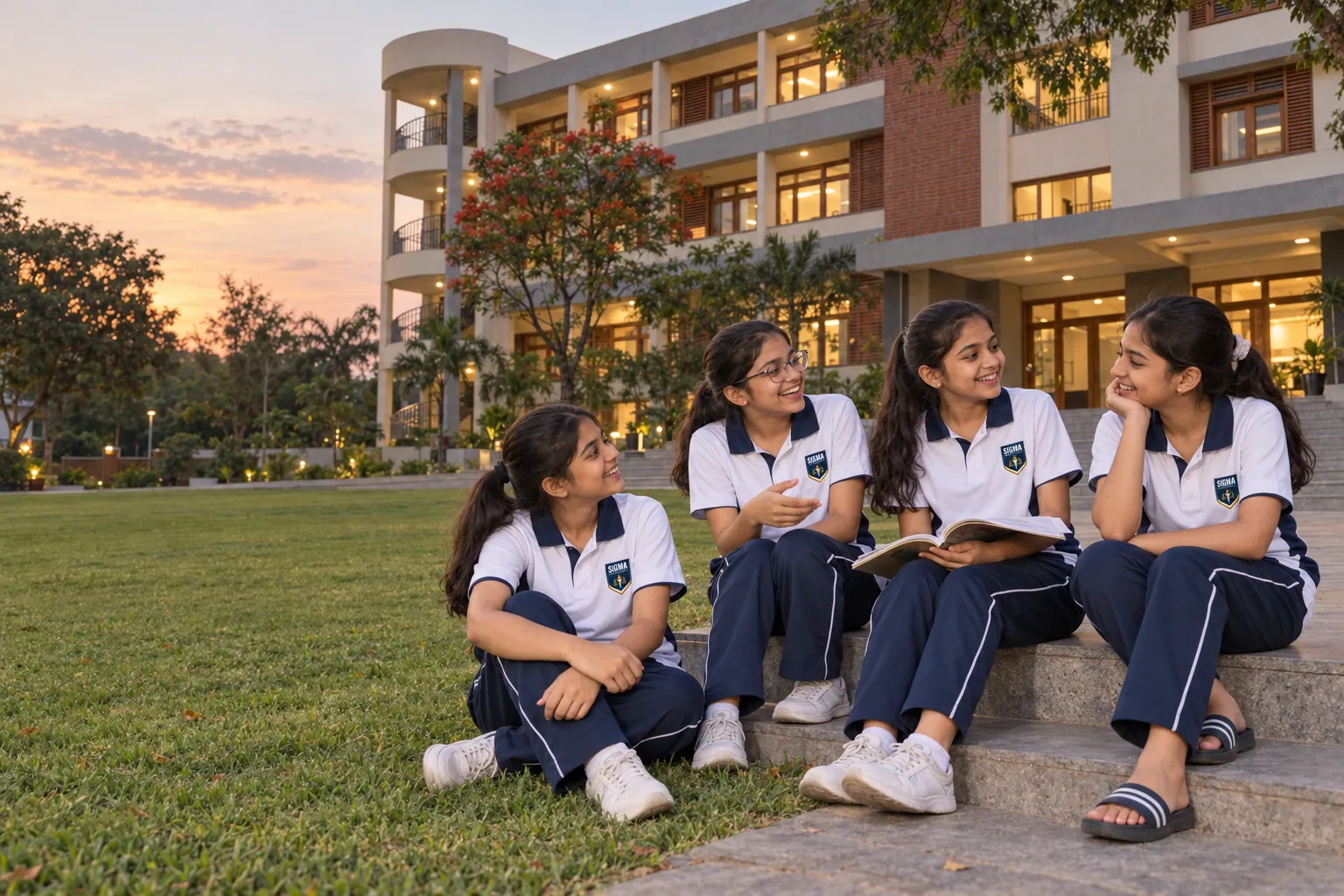
Choosing a school is about more than academics. Parents also think about the environment in which their child will learn, build relationships, develop routines and gradually become more independent. A residential school brings learning and daily life together in one structured environment, giving students opportunities to grow both inside and outside the classroom.
For families considering a residential school in Gujarat, the right campus can offer a balanced experience that combines academics, activities, sports, friendships and life skills. The goal is not simply to keep students busy, but to create an environment where they can learn to make decisions, take responsibility and become confident individuals.
A learning environment that extends beyond the classroom
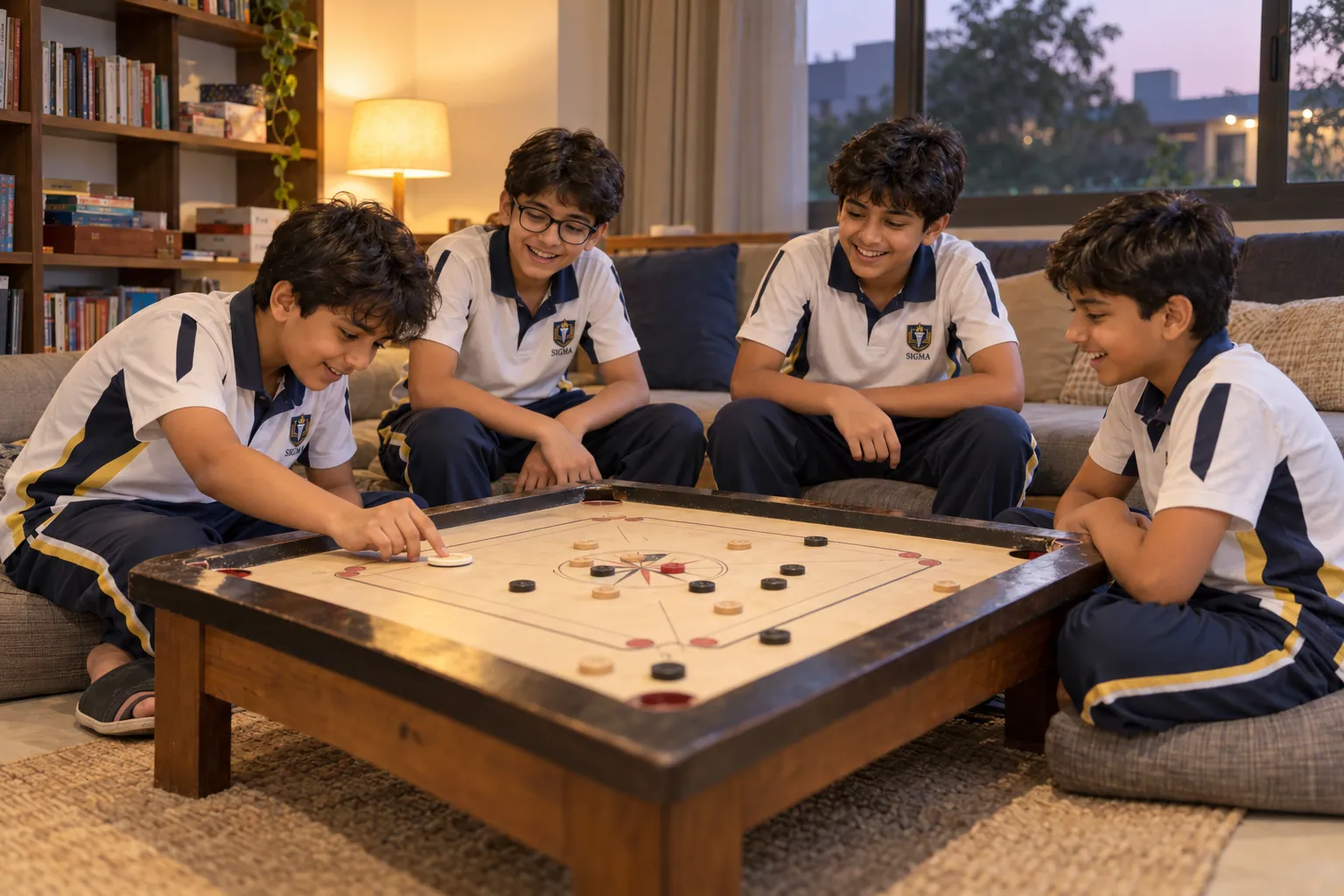
At a residential school, learning does not stop when the school day ends. Students continue to learn through conversations, activities, teamwork, supervised routines and everyday experiences.
This broader environment can help children connect classroom concepts with real-life situations. Group activities may encourage collaboration, while sports and co-curricular experiences can teach students about preparation, perseverance and teamwork.
Building independence through everyday routines
One of the defining aspects of residential school life is the opportunity for students to gradually become more independent.
- Managing personal belongings and daily routines
- Learning to plan time between academics and activities
- Taking responsibility for shared spaces and responsibilities
- Making age-appropriate decisions with guidance from adults
- Learning to adapt to new situations and people
These are small, everyday experiences, but they can help students develop habits of responsibility and self-management that remain useful long after school.
Confidence grows through community
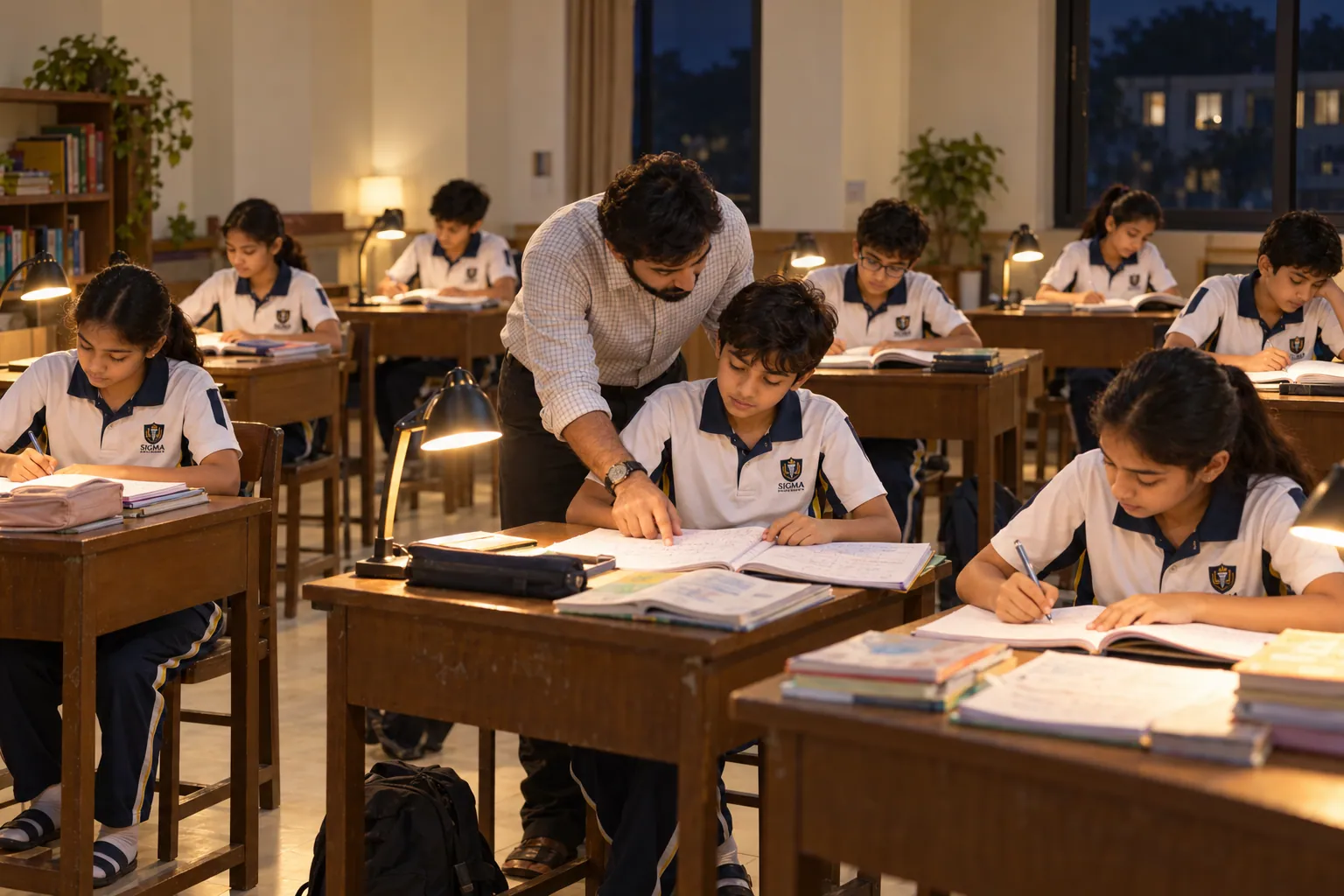
Residential schools bring students together for much of their daily routine. This creates opportunities to interact with classmates from different backgrounds, work in groups and develop friendships.
For some students, living and learning alongside peers can encourage them to communicate more openly and participate in activities they may not have tried otherwise. With appropriate adult guidance, these experiences can contribute to confidence, communication and social development.
Education is not limited to what a child learns from a textbook. It also includes learning how to live, work, communicate and grow with others.
Balancing academics, sports and life skills
A well-planned residential school experience should give students space for different kinds of learning. Academic time can be complemented by sports, creative activities, clubs, supervised recreation and opportunities to develop practical skills.
This balance matters because children need opportunities to discover different interests. A student may develop confidence through sport, creativity through the arts, communication through group activities or leadership through taking responsibility within a team.
A structured environment with the right support
Structure can be particularly valuable during the school years. A consistent routine can help students understand how to manage their time and responsibilities while still leaving room for exploration and rest.
For parents, the quality of the residential environment is an important consideration. When evaluating a CBSE residential school, families may want to understand the school's academic approach, pastoral care, supervision, residential facilities, safety practices, healthcare arrangements, food, sports opportunities and communication with parents.
Preparing students for life beyond school
The purpose of education extends beyond examination results. Students eventually have to manage new environments, relationships, responsibilities and decisions on their own.
A residential setting can give students repeated opportunities to practise these skills while they are still surrounded by teachers, mentors and peers. Over time, experiences such as planning a day, solving small problems, working with others and taking responsibility can become part of a student's everyday habits.
Choosing the right residential school in Gujarat
There is no single school environment that is right for every child. Parents should consider their child's age, personality, learning needs, interests and readiness for a residential experience.
When comparing residential schools in Gujarat, it can help to visit the campus, speak with the admissions team, understand the academic programme and ask detailed questions about residential life. A campus visit can also help families understand whether the environment feels like the right fit for their child.
- Understand the academic approach. Review the curriculum, teaching practices and support available to students.
- Explore residential life. Ask about routines, supervision, accommodation, meals, recreation and student support.
- Look at the wider student experience. Understand the opportunities available in sports, activities, clubs and life skills.
- Visit the campus. Seeing the environment in person can help parents and children make a more informed decision.
Why the environment matters
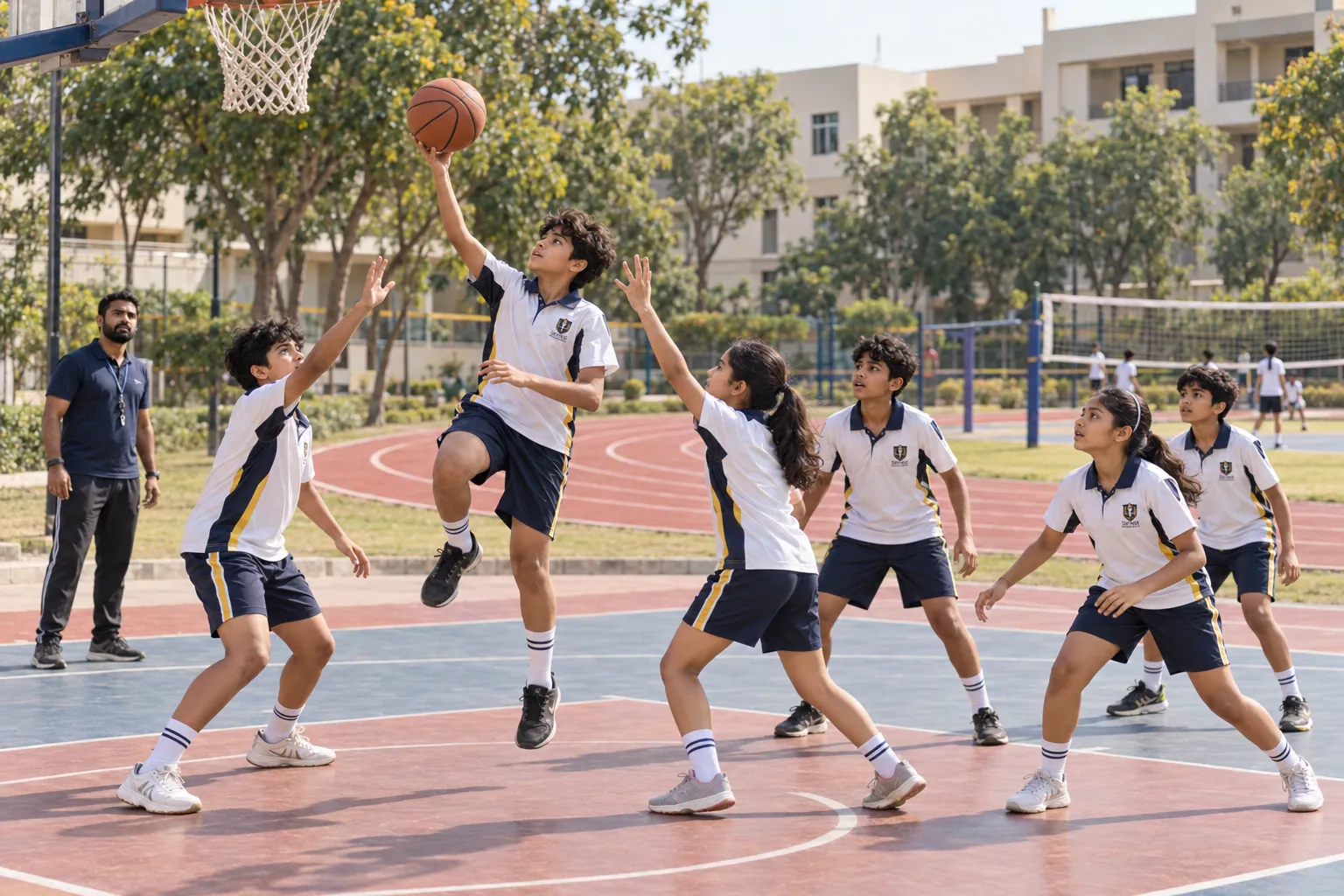
The strongest residential school experiences are not defined by boarding alone. They are shaped by the quality of teaching, the people who guide students, the routines they follow, the relationships they build and the opportunities they receive.
For families exploring a residential school near Bharuch, Matar offers an opportunity to consider a school environment that brings academics and residential life together. At Sigma Horizon School, the residential experience is designed as part of a broader educational journey focused on learning, responsibility and student development.
Ultimately, choosing a residential school is a personal decision for every family. The right choice is one where the academic programme, residential environment, student support and overall philosophy align with what a child needs to learn and grow.
Frequently asked questions
What are the benefits of a residential school?
A residential school can provide a structured environment where students learn through academics, activities, peer interaction and everyday responsibilities. It can support independence, time management, communication and confidence alongside academic learning.
What should parents check before choosing a residential school?
Parents can review the curriculum, residential facilities, supervision, safety practices, healthcare, food, student support, sports and activities, communication with parents and the school's approach to student wellbeing.
Is a residential school suitable for every child?
Not necessarily. Parents should consider a child's age, personality, needs and readiness for residential life. Visiting the campus and discussing the experience with the school can help families decide whether it is a suitable fit.